Industries we serve
Cup Recycling.
Specialist single-use cup collection for offices, cafes and university campuses with real volume.
- Same week start
- 100% landfill diversion
- Carrier CBDU91900
About
Why cup recycling choose FJL.
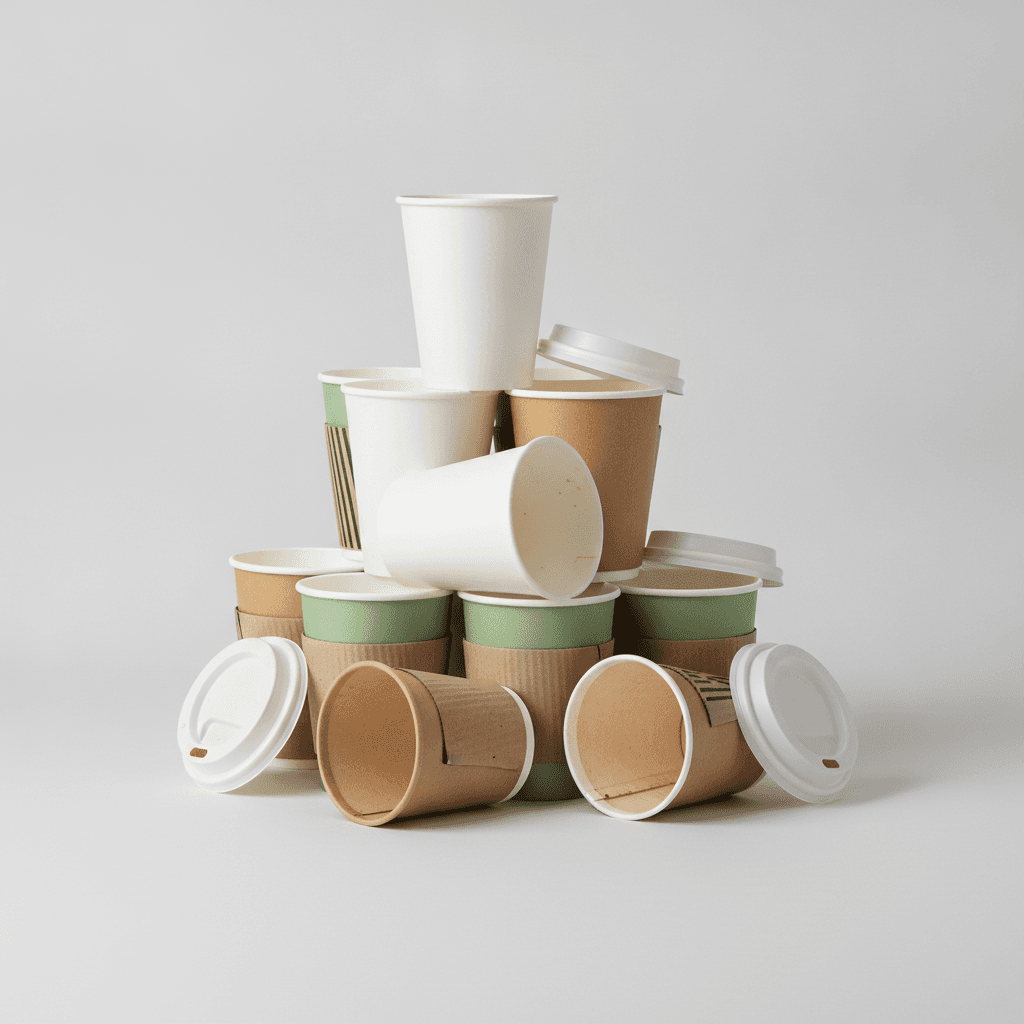
Single-use coffee cups are technically dry recyclables, but the thin polyethylene lining that keeps the cup from going soggy is what kills them in a standard mixed recycling stream. Most cups thrown in a normal recycling bin end up rejected at the sorting plant. A specialist cup collection separates them at source, keeps them out of the general dry recyclables stream, and sends them to one of the small number of UK facilities that can strip the lining and recycle the fibre properly. FJL runs cup collections for offices with on-site coffee shops, cafe groups, hospitality venues with high cup volume, and schools and universities with on-site cafes. We have been an independent waste operator across West London, Surrey and the Thames Valley with 13 years experience. Most new customers find us cheaper than what they had before, and a separate cup stream gives you a clean line for sustainability and ESG reporting instead of a vague claim about recycling.
What they need
What cup recycling need from a waste partner.
A separate stream that actually works
Cups in a normal recycling bin get rejected. A dedicated cup bin and a specialist collection is the only route that gets the cup recycled rather than incinerated.
Volume that justifies a separate bin
Offices with on-site coffee shops, busy cafes, hospitality venues and campus catering generate enough cups to make a dedicated stream worth running.
Clear reporting for sustainability
You get weights per collection and a paper trail of where the cups go. That replaces vague recycling claims with something you can put in an ESG return.
Compatible with Simpler Recycling
Cup collections sit alongside your food waste, dry recyclables and general waste streams. One account, one collection schedule, one duty of care paper trail.
How we help
How FJL helps cup recycling.
We start by sizing the stream. A small office with a Nespresso machine does not need a cup collection. A 200 person office with an on-site barista, or a university building with a cafe, or a hospitality venue serving takeaway coffee all day, almost always does. We place clearly labelled cup bins where the cups are generated, train your team on what goes in them in five minutes, and collect on a schedule that matches volume.
Cups go to one of the UK processors that can handle the polyethylene lining. The fibre is recovered for paper and tissue, and the plastic lining is separated for its own onward processing. You get a collection note for every lift and a periodic weight report you can drop straight into a sustainability or ESG return.
The collection runs on the same account as your other waste streams. Food waste, paper and card, mixed dry recyclables and general waste all stay on one schedule, one contact and one invoice. The cup stream is just an addition. For multi-site customers, cafe groups or office portfolios, we do the same across every site in the West London, Surrey and Thames Valley service area.
Services
Services for cup recycling.
FAQ
Common questions about cup recycling waste.
Why do single-use cups need a separate collection?
The polyethylene lining that stops the cup leaking is bonded to the paper, and most standard mixed recycling sorting plants either cannot separate it or reject the cups as contamination. A specialist stream sends the cups to one of the small number of UK processors that can split the lining from the fibre and recycle both.
How many cups do I need to generate to make this worthwhile?
A rough rule is that anything over a few hundred cups a week is worth a dedicated stream. Below that, the cups can usually go in the general waste without a meaningful environmental difference. We will tell you straight if your volume is too low to justify a separate collection.
What kinds of customers run cup collections?
Offices with on-site coffee shops, cafe groups, hospitality venues with high takeaway volume, and schools and universities with on-site cafes. The common factor is a single point where cups are generated in volume.
Where do the cups actually end up?
At a UK specialist processor that strips the polyethylene lining from the paper. The fibre is recovered for paper and tissue manufacture. The lining is separated for its own onward processing. We can show you the destination if you need it for an ESG return.
Do you provide bins?
Yes. Clearly labelled cup bins go where the cups are generated, at the coffee bar, in the cafe, by the lift lobby, wherever makes sense for your space. We size the bins to the volume so they are not constantly overflowing or constantly empty.
Does this fit with Simpler Recycling?
Yes. Simpler Recycling, in force in England since 31 March 2025 for businesses with 10 or more staff, requires food waste, paper and card, mixed dry recyclables and general waste to be separated. A specialist cup stream sits alongside those and improves the quality of your dry recyclables stream by keeping problem material out of it.
Do I get reporting for sustainability claims?
Yes. Every collection has a weight and a paper trail of the onward processor. You get periodic reports you can include in an ESG return or a sustainability statement, which is more credible than a generic recycling claim.
Can you collect cups alongside our other waste?
Yes. The cup stream runs on the same account as your food waste, dry recyclables and general waste collections. One contact, one invoice and one set of duty of care paperwork covering every stream.
Get a quote
A clear price in your inbox today.
Tell us your postcode and what you need. You will have a clear price for cup recycling waste collection back today, not next quarter.
Prefer to talk? Call 0330 024 9180